
The Parag Honour List: discovering the best of Indian children’s literature
This article discusses the Parag Honours List, an independently curated annual list of quality children’s literature titles produced in India in Hindi and English. It shares the process of creating the list by capturing a varied set of stakeholder voices. The piece also shows the list in action.
In a world filled with screens, scrolling and short attention spans, the role of quality children’s literature, especially in the life of a child has never been more crucial. Quality children’s literature helps children reflect their own lived experiences. It also presents a world distant from their own, expanding their knowledge base. This exposure helps develop their ability to respond with empathy and compassion to others, fostering a deeper connection to their immediate environment and the wider global community.
Children’s literature as a tool for transformation
The philosopher John Hume, who had a profound influence on theories of the mind and education, said that children when born are like a blank slate. Thus, whatever the child is exposed to influences their mind and development. This can be seen along with Professor Krishna Kumar’s point that children are to be respected and kept at the centre when books are being written and published for them.
My experience as an educator reaffirms that children’s imagination is a powerful tool. Books can be an aid to catalyze their innate learning. These ideas and experiences shape this article as I reflect on the last five years of the Parag Honour List (PHL), which was first conceived in 2019, and the first list was released in 2020.
Parag, an initiative of the Tata Trusts, is driven by a belief in the transformative power of reading. It works to ensure that children across India can appreciate and enjoy reading, especially in a diverse set of vernacular languages. Parag had identified a gap, a lack of a comprehensive curated list of quality children’s books to which libraries, teachers and parents could refer to while using or procuring children’s books. After speaking with a wide range of stakeholders, Parag initiated the idea, and the list was born.
The Parag Honour List (PHL) process
PHL consists of outstanding original books in Hindi and English, for children and young adults of the year with annotations about each title. It is put together after a call for submissions, a multiple level review process and discussions by an independent jury. The jury members are carefully chosen to avoid any conflicts of interest. They are sector experts, educators and authors, who review the books submitted by the publishers arriving at individual initial shortlists independently of each other.
The jury then meets for the finalization of the PHL in both the languages. They assess the books based on literary quality, creativity, cultural relevance and overall impact. The focus is on books that stand out for their narrative structure, use of language and depth of content. The illustrations, design and overall presentation of the books are evaluated for their ability to engage young readers.
The PHL highlights books that break away from clichéd narratives, offer fresh perspectives and diverse storytelling styles, and touch and transform the reader in some way. The list recognizes books that depict characters from a variety of socioeconomic backgrounds, castes, religions and abilities. ‘My name is Gulab’, published by Tulika publishers (PHL 2022), is one such powerful story, exploring an act of courage of a manual scavenger’s daughter. Doing so, it promotes empathy and understanding among children. PHL also includes books that break traditional gender stereotypes, providing young readers with a more nuanced understanding of gender roles and identities, such as ‘Listen to appa’ published by Eklavya (PHL 2024) and ‘Betiyan bhi chahen azadi’ published by Pratham Books (PHL 2022).
One of my favourite books is ‘Ranu main kya janu” published by Jugnoo Prakashan (PHL 2020). Here, seemingly innocent questions asked by a child puts the entire system in the dock. “The ability to accept any sorrow or disappointment that comes in life with a deep acceptance without losing hope is learnt from the lessons of good children’s literature,” said one of our jury members, Teji Grover. One such book is ‘Kya tum ho meri Dadi’ by Jugnoo Prakashan (PHL 2021). It presents the thoughts that arise in the mind of a girl after the death of her grandmother, helping the reader to explore these views too.
Stakeholders’ voices
Another jury member, Usha Mukunda, shares that quality children’s literature has “an effortless ability to be one with the reader, a child, young adult or the young at heart, through a journey made up of both fun and reflection.” This is exemplified by a PHL 2024 Hindi book called ‘Aada pada’, published by Eklavya. Can anything be said on a topic like ‘farting’ other than ‘disgusting’? This savory poem will surely make you laugh, loud, openly and together. Every animal has a different style of farting! Do we have a different style too? Or should we not talk about this at all?
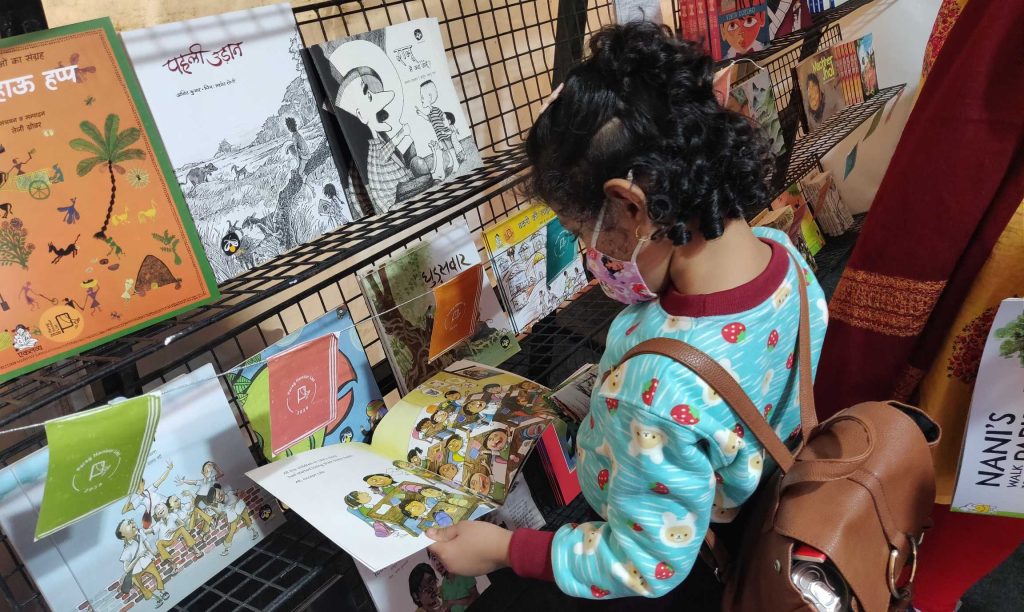
Photo credit: Parag
From the beginning of the PHL journey, the wider children’s publishing community has provided encouraging comments. According to Tina Narag from Scholastic India, “It’s an honour to have a book on the Parag Honours List.” “Always waiting anxiously for the PHL to be released; to see what new has come out in the children’s literature space. It is so unique that it is not a competition, but a recognition of an arena of hard work by authors, illustrators and publishers. I have personally chanced upon some books which may have gotten missed, if not for the PHL. So, I believe this list is an opening to the world of children’s literature in India,” said Shivani Taneja from Muskaan.
Sayoni Basu from Duckbill shares that, “We are big fans of PHL for several reasons. Parag tries to put together a quality jury, and it takes the jury very seriously. As a publisher that is all one can ask for, that a book is read before the decision is taken. I have also spoken to people at various independent bookstores, and they tell me that sometimes customers come in and ask specifically for books which are named on the PHL.”
Foregrounding marginal voices and players
One of the unique features of the PHL is to spotlight lesser-known publishers, authors and illustrators. Often, the best creative minds are working in the background. These include independent authors, small publishers, and self-published creators and educators. They might not have the same marketing clout as the bigger players in the industry. By featuring their work, the PHL ensures that these works get the recognition they deserve and helps them reach a wider audience.
‘Basti mein baadh’ (PHL 2022) published by Shaheed School is one such example. It is a collection of stories based on the personal experiences of the authors. These describe the tragedy of a sudden flood in a poor colony and the courage of humans in colloquial language. These stories also raise questions such as—“Is a flood a natural disaster or is society also responsible for it?”.
Another example is ‘Buffalo Baby’ published by Big Beetle Books (PHL 2024). It is a charming wordless book and narrates a little girl’s attempts to make friends with a buffalo calf, depicted with great humour and sensitivity. The publisher of this book felt encouraged and validated for their efforts as this was their first year of publishing books. When a Hindi publisher, Muskaan, started sending books, the jury found that the books were simple in design, layout and production, but they also had immense originality and depth of content. Due to this commitment to quality, the jury included some of their titles in the PHL. For example, ‘School main humne seekha aur sikhaya’ published by Muskaan (PHL 2021) is a story of children studying in an English medium school. In small and big villages and cities, parents enrol their children in English medium schools with great expectations. But for most children, studying becomes difficult and tasteless due to the unfamiliar language.
Facilitating equity and inclusion
This has been considered a first-of-its-kind effort in India, where the aim is not to ‘award’ selected books but to promote access to a comprehensive, curated list of quality children’s literature that librarians, teachers, parents and children can refer to. In 2024, Parag celebrated the list’s 5th edition. Over the last five years, the PHL has received 1,230 submissions from 78 publishers. Of these, 225 original titles in the categories of fiction, non-fiction and poetry have been featured on the list.
On analysis, we observed that there were fewer Hindi submissions in comparison to English, except in poetry where there were fewer English poetry books in comparison to Hindi. For early readers overall, there were fewer non-fiction and poetry books, and also fewer young adult books. We hope that in the future we will receive further submissions in these areas and be able to select books where there have been gaps in the PHL.
As the PHL so far focuses on original books in English and Hindi, Parag has supported some of their translations thereby making curated books widely available in new languages. So far, 22 books from the list have been translated into multiple languages including Hindi, Marathi, Kannada and Telugu.
‘Jamlo walks’ published by Puffin Books (PHL 2022) is one such example, as this book has been translated into Hindi, Marathi and Kannada. Another example is ‘The miracle on Sunderbaag street’ published by Kalpavriksh (PHL 2021). This book has been translated into Hindi, Kannada, Marathi and Tibetan.
The Parag Honour List (PHL) in action
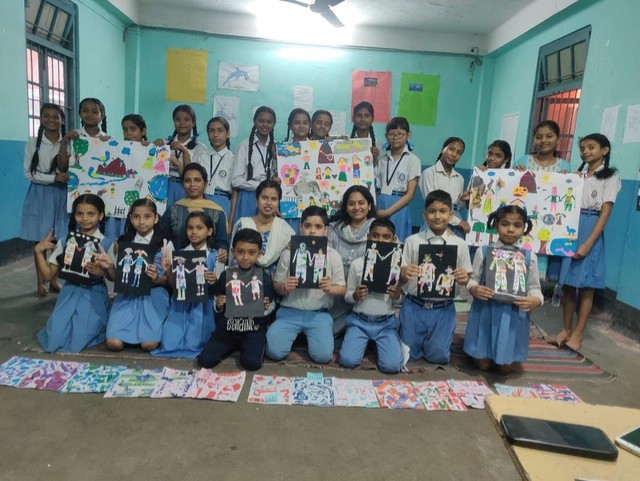
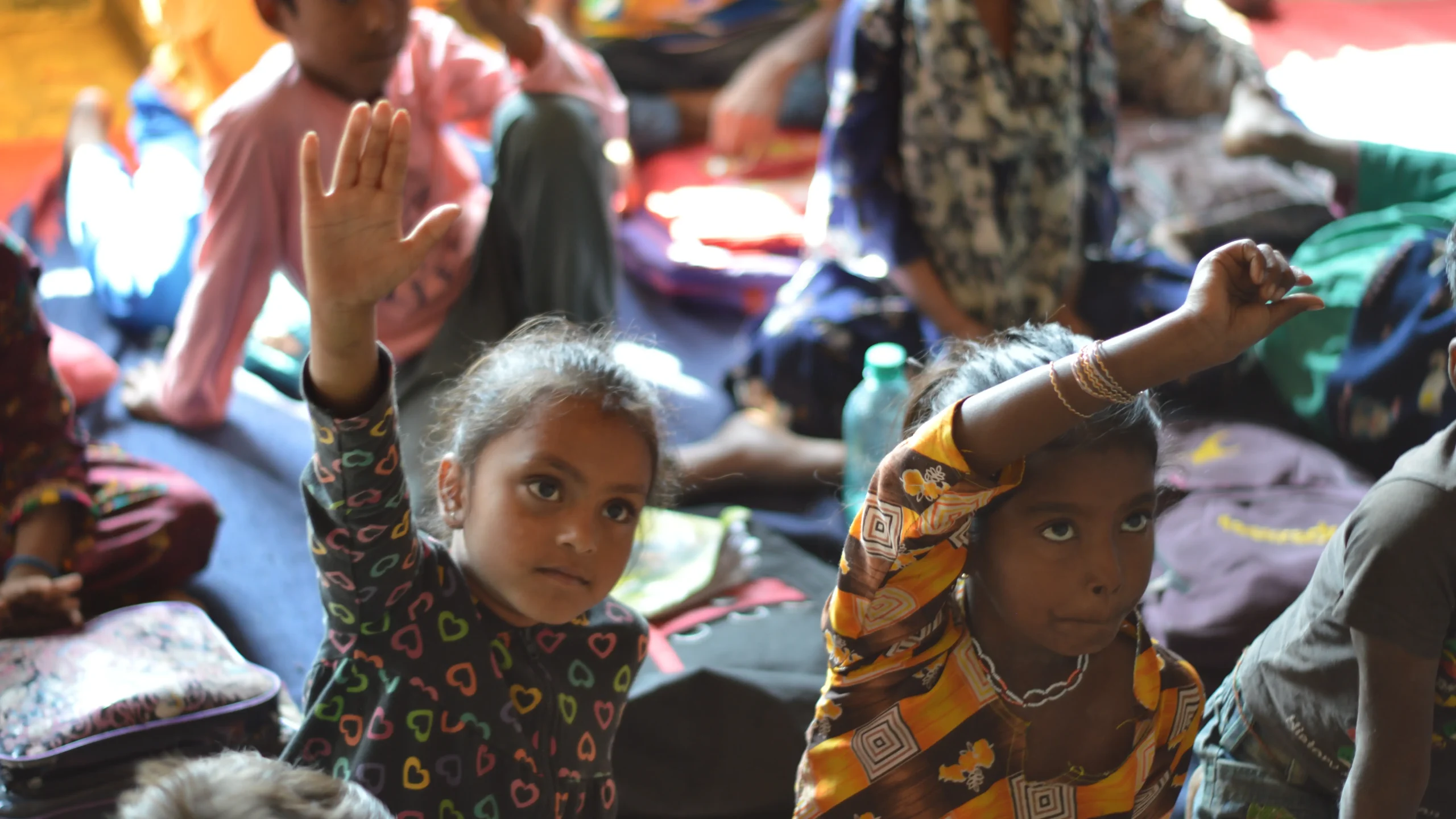
Once the list is finalized and launched, its promoted and disseminated through various channels to schools, publishers, sector experts, bookstores, government bodies and readers, at large. At one of the book fairs where we had displayed the PHL books, the children attending explored the display. They also spontaneously marked their favourite books on the list. Later, publishers at the fair were thrilled to see young children walking into their stalls with their PHL lists in hand, looking for their favourite books.
A mother, who was also a doctor, visited the PHL stall at one of the book fairs. She was thrilled to discover such a list available for the public. She said that she finds it challenging to select books for her child and has a limited understanding about a good children’s book. She voiced her concerns that she might buy a book for her child which is not appropriate for him. She was relieved that with the help of the PHL, she was introducing her child to a good Indian children’s book that would have gone through a critical review process.
At a children’s book festival in Delhi, where the PHL was displayed, parents and educators were pleasantly surprised to see the availability of quality Hindi books for children. The Parag team was happy to see educators requesting for PHL Hindi catalogs and parents asking about Hindi books, and children exploring and discussing their favorites with friends and parents.
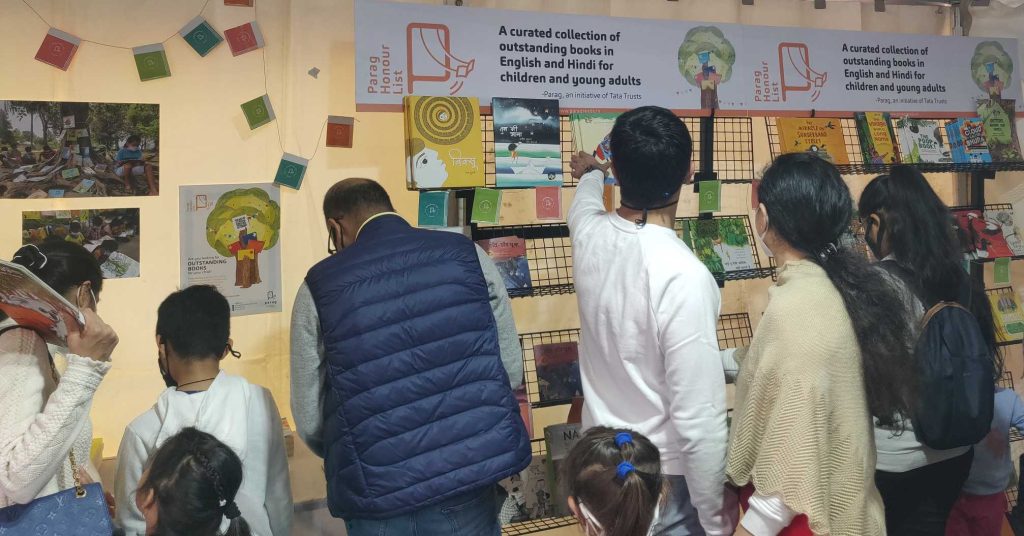
Photo credit: Parag
Every year after the list is announced, a call for applications is sent out to under-resourced and community libraries, who can avail the PHL Book Box, an initiative to provide books and strengthen their collection. Joanne Saldhana, a recipient of the PHL Book Box and a library educator and curator, states, “For educators and librarians, trying to find the best books for children amongst the sea of Indian published titles can be overwhelming. The true gems stay hidden behind the titles that are marketed across social media. While awards and book lists are subjective, PHL is one list that serves as a benchmark for librarians and educators like me. It helps us narrow down the best reads in Indian children’s literature.”
Conclusion
India’s National Policy on Education, 2020, has highlighted the importance of contextual and multilingual quality story books with vibrant libraries that enable language learning in a comprehensive manner. In this context, the PHL would be of significant assistance to educators selecting books for their classrooms and libraries. So far, 689 libraries have been able to add the most outstanding books to their collection.
“Children’s literature in India is coming into its own. For us, as librarians, it is an exciting time as we get our heads around the range of books that are being published. Our perspective needs to deepen, and our sense of discernment must grow, in order to select sharp and open conversations with care. Children’s reading sensibilities, perspectives and their sense-making of what they read is at stake here. And we cannot play around with that – other than with awareness and care,” says Usha Mukunda, a librarian and contributing author of the Parag supported anthology ‘Children’s books: an Indian story’, published by Eklavya in 2024 which surveys the landscape of children’s literature.
We have been acknowledged for our efforts. Parag has been internationally recognized for its leadership and work regards the PHL by being selected to represent the International Board on Books for Young People (IBBY) as its National Section of India. IBBY is a not-for-profit organization founded in 1953. Its headquarters is in Basel, Switzerland. It represents countries with well-developed book publishing and literacy programs, and other countries with only a few dedicated professionals who are doing pioneer work in children’s book publishing and promotion.
Over time, the PHL acts like an important archive of quality, culturally sensitive Indian children’s books vetted by educators, authors and children’s literature specialists. The PHL can assist further research, encourage new talent and deepen the understanding of the multiple aspects of quality Indian children’s literature and what constitutes a good book for children. This would lead to the capacity building of educators, librarians and parents alike.
We need to build further awareness of the initiative and understand that many more librarians, schools, bookshops, parents and children need to be made aware of the PHL. We also need to make more efforts to make the list available for referencing and to help enrich existing collections and libraries for children. We do recognize areas where further effort is required and look forward to working together to strengthen the gaps in the future.
Related Articles
By | 1 October 2025
By | 1 October 2025
No approved comments yet. Be the first to comment!